How can UX design improve user experience with AR interfaces?
Augmented Reality (AR) interfaces are becoming increasingly popular in the world of user experience design.
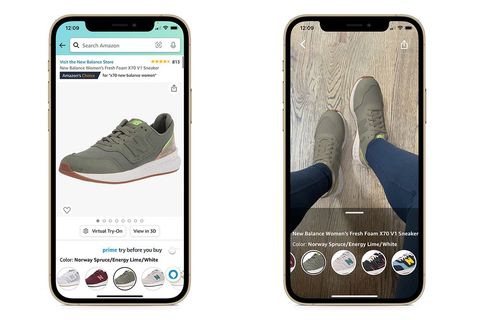
AR interfaces allow users to interact with digital content in a more immersive and engaging way.
This guide is for anyone interested in learning more about AR interfaces and how to design them for the best user experience.
How To
- Understand the basics of AR technology and how it works.
- Research the current trends in AR interfaces and user experience design.
- Identify the user needs and goals for the AR interface.
- Design the interface with the user in mind.
- Test the interface with users to ensure it meets their needs.
- Make any necessary changes to the interface based on user feedback.
Best Practices
- Keep the interface simple and intuitive.
- Make sure the interface is accessible to all users.
- Ensure the interface is responsive and works on all devices.
- Test the interface with users to ensure it meets their needs.
Examples
Let’s look at a role-play conversation to see how an AR interface can be used to improve user experience.
User: I’m looking for a new pair of shoes.
AR Interface: Hi there! I can help you find the perfect pair of shoes.
What type of shoes are you looking for?
User: I’m looking for a pair of black sneakers.
AR Interface: Great! I’ve found a few options that might work for you.
Would you like to see them in 3D?
User: Yes, that would be great!
AR Interface: No problem! Here you go.
You can rotate the shoes to get a better look at them, and you can even try them on virtually to see how they look on you.
In this example, the AR interface is able to provide a more immersive and engaging experience for the user.
The user is able to interact with the shoes in a more realistic way, which helps them make a more informed decision.